


What are patent drawings?
Patent drawings illustrate an invention’s technical structure, components, connections and operation in a patent or utility model application. They support the description; the claims define the scope of protection.
Explain your invention’s technical structure with clear drawings.
Reference numerals example
The same part should be shown with the same reference sign in different figures.
Patent drawings show your invention’s technical structure, parts and operation through…
Patent drawings show your invention’s technical structure, parts and operation through clear, compliant visuals. Proper drawings help make the application easier to understand.
Patent drawings illustrate an invention’s technical structure, components, connections and operation in a patent or utility model application.
Patent drawings illustrate an invention’s technical structure, components, connections and operation in a patent or utility model application. They support the description; the claims define the scope of protection.
Types of patent technical drawings
Different drawing types may be combined to suit your invention.
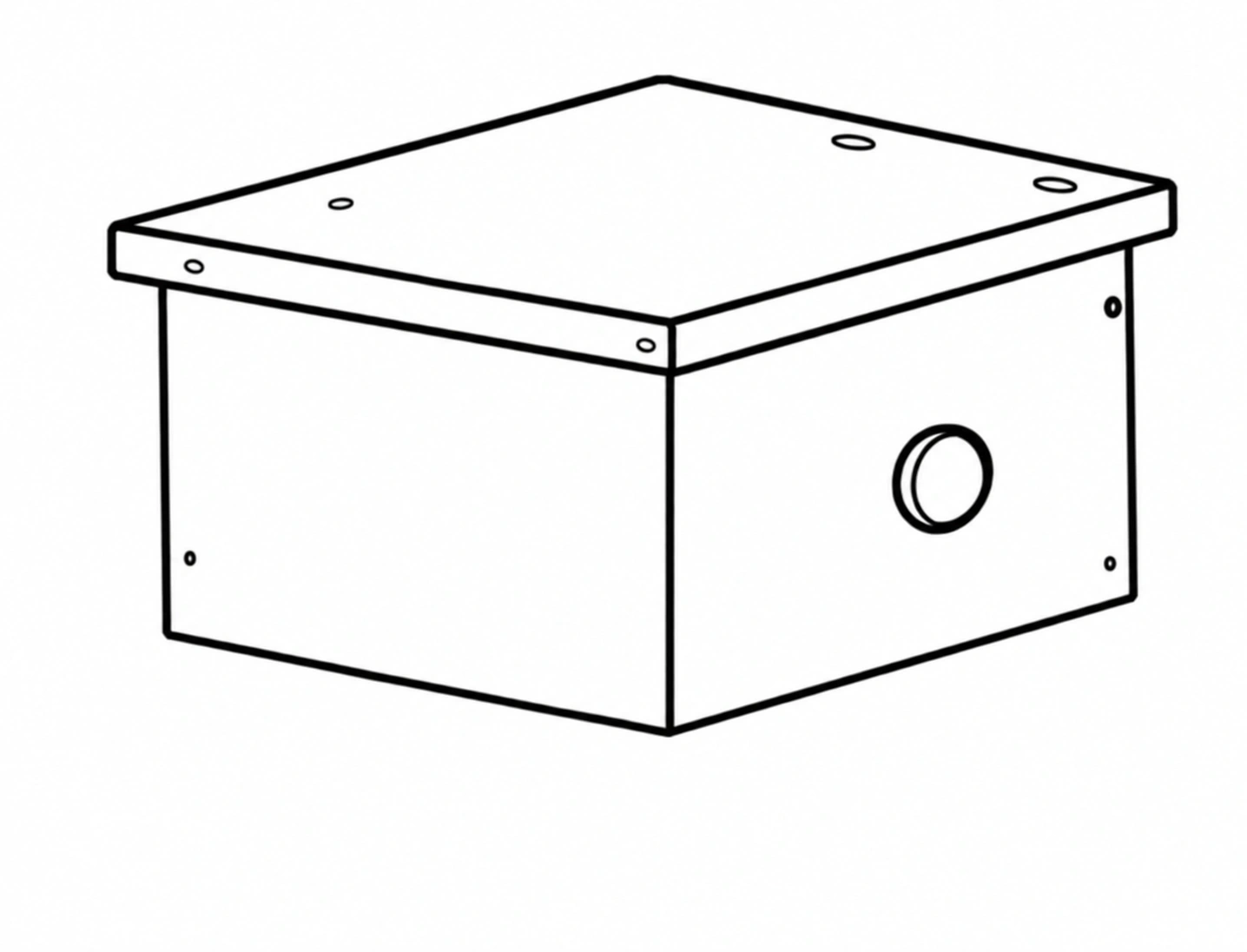 Perspective viewShows the invention’s overall structure.
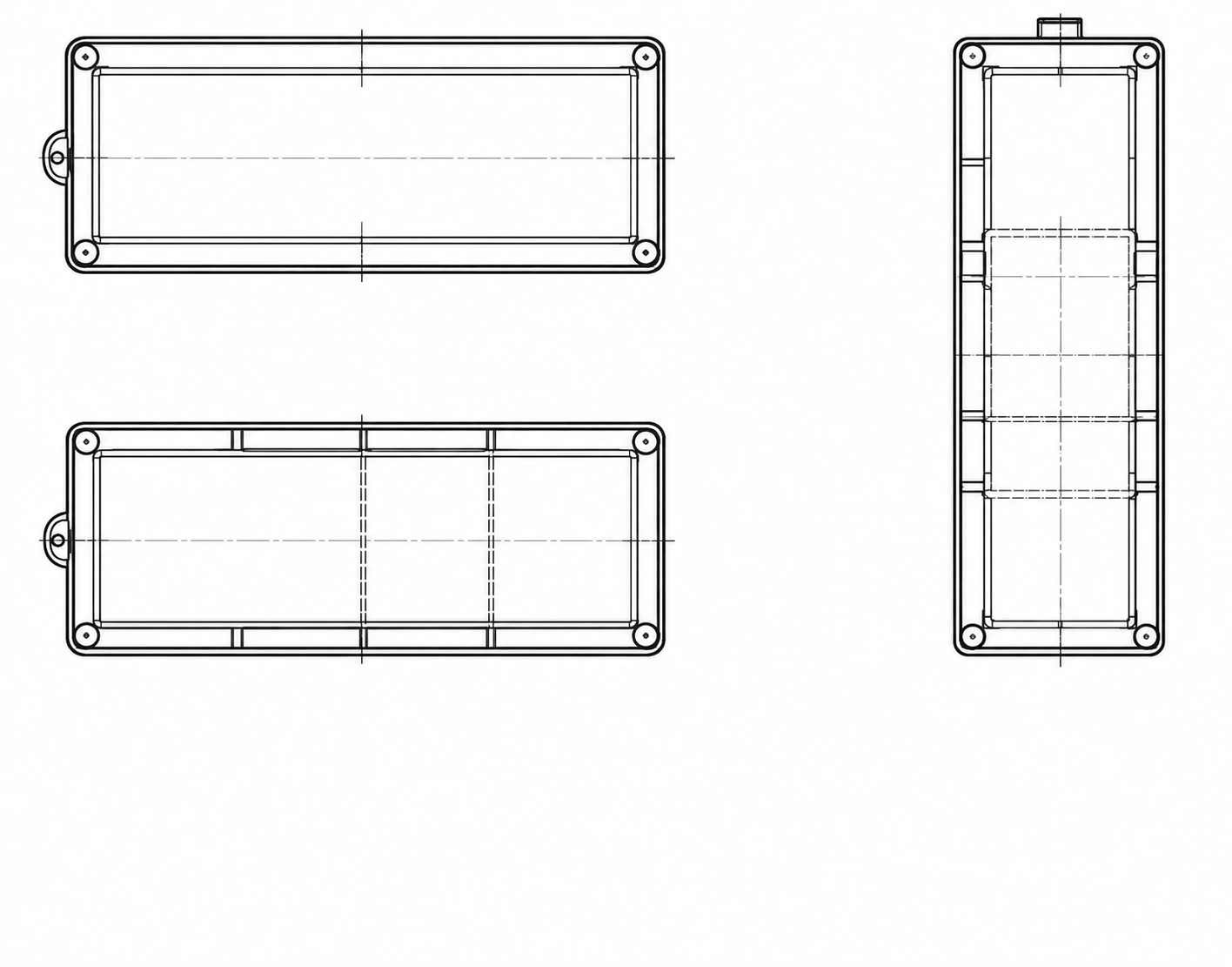 ViewsFront, rear, top, bottom and side views.
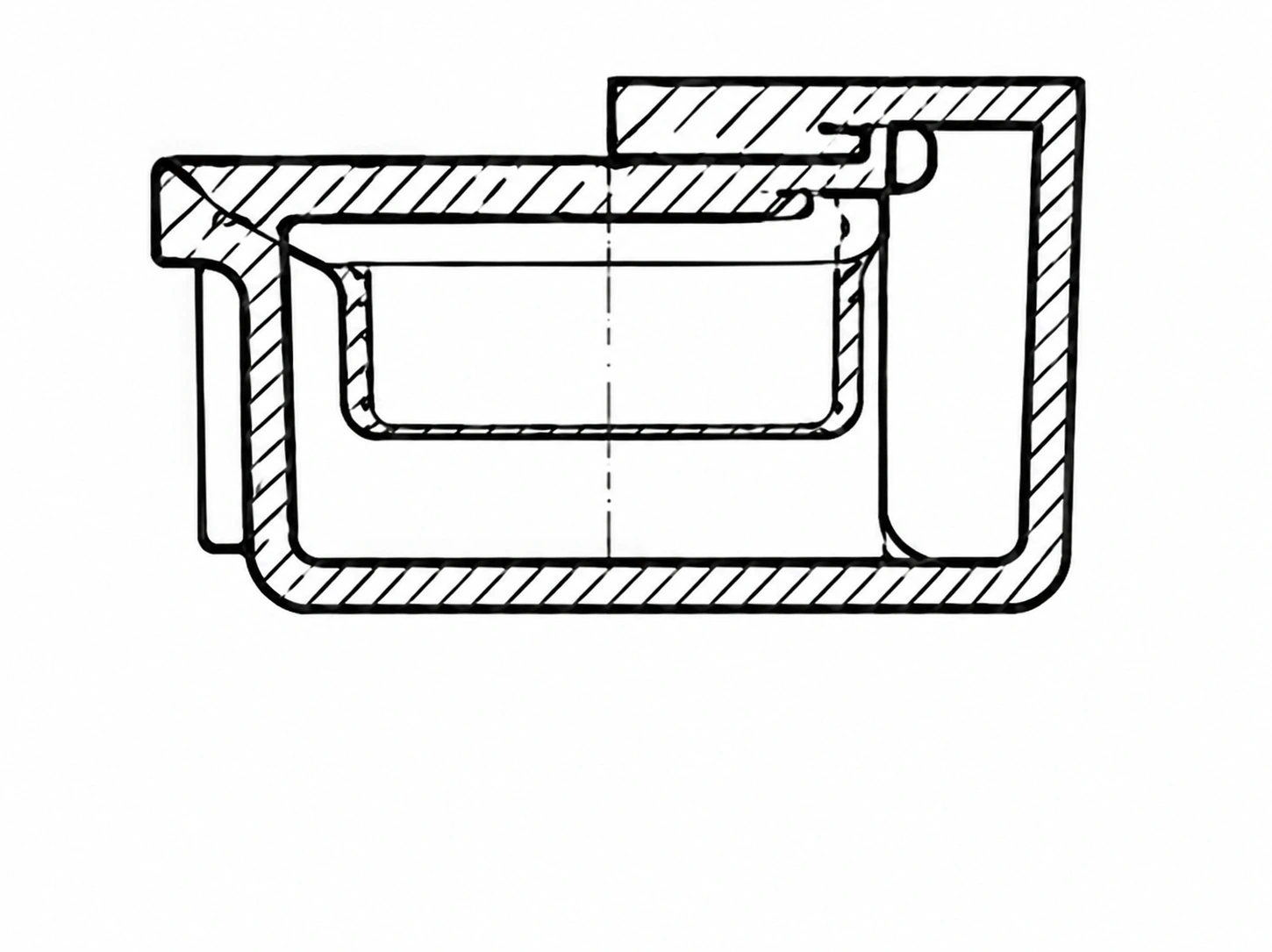 Sectional viewShows internal structure and details.
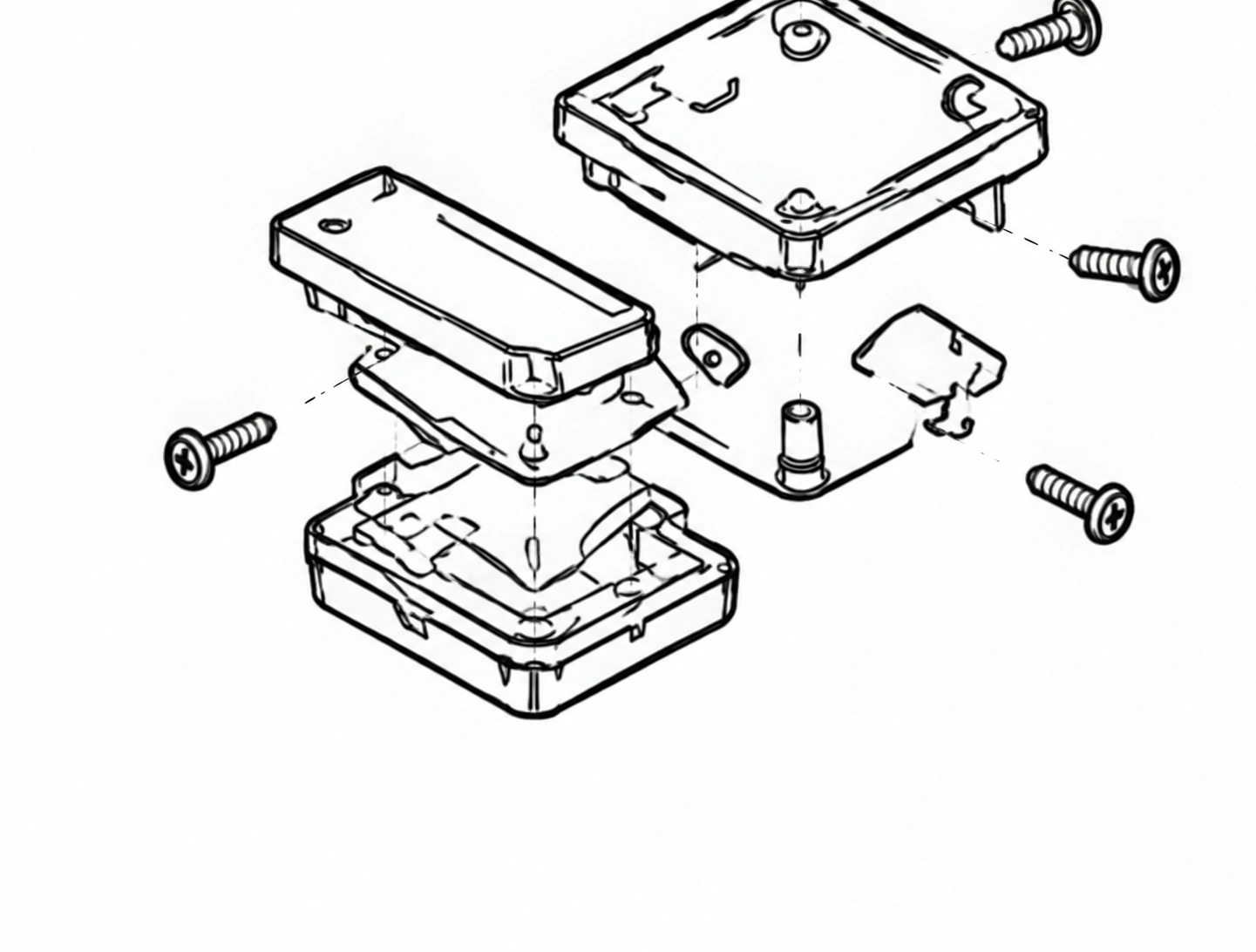 Exploded viewExplains relationships between parts.
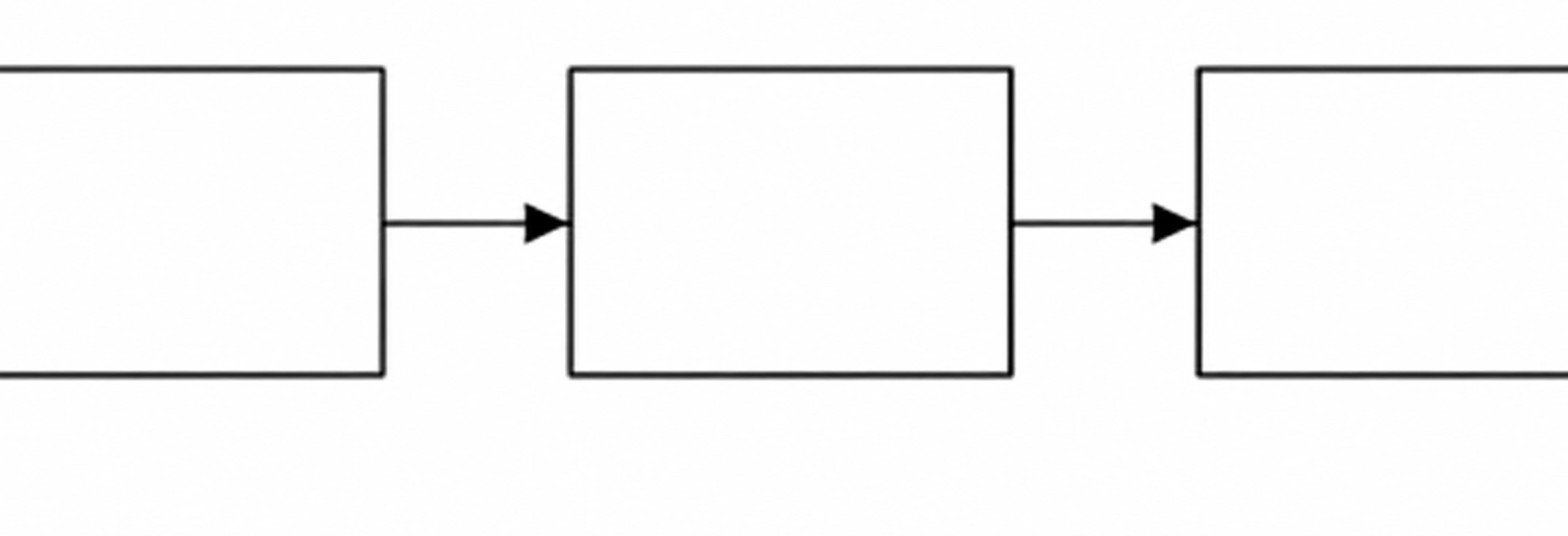 Block diagramSummarises system components.
 FlowchartShows the process steps.
 Circuit diagramShows electronic components and connections.
Rather than producing unnecessary figures, views that support the technical disclosure are chosen.
Figure numbers, reference numerals and description consistency
Drawings are numbered Figure 1, Figure 2, and so on. Each figure is identified in the relevant description.
Parts receive reference numerals such as 10, 20 and 30. The same part uses the same numeral in different figures.
Numerals in the drawings must be consistent with the description and claims.
Stages of preparing patent drawings
TÜRKPATENT and international standards
Patent drawings are prepared in accordance with relevant TÜRKPATENT guidance and PCT (WIPO) standards. Clarity, simplicity and appropriate scale are important.
Figures and formats must suit the chosen filing route.
Patent drawings show technical structure and operation. Industrial design drawings focus on a product’s appearance. Their purpose, scope and preparation rules differ.
CAD models can be used to prepare technical drawings, views, sections and assembly drawings. Figures and formats must nevertheless meet filing requirements.
Patent drawing fees depend on the number and types of drawings, technical complexity and requested turnaround. Contact us for a quotation suited to your needs.
The relationship between the parts of a mechanism, a cross-sectional structure or process steps may not be understood from a verbal description alone.
The relationship between the parts of a mechanism, a cross-sectional structure or process steps may not be understood from a verbal description alone. Drawings improve the technical consistency and readability of the application. However, they do not automatically remedy an insufficient technical disclosure. Adding technical information later that was missing from the original application may create a risk under the prohibition on adding new matter.
Drawings are frequently used for mechanical systems, medical devices, electronic assemblies, energy systems, robotic components, packaging mechanisms and…
Drawings are frequently used for mechanical systems, medical devices, electronic assemblies, energy systems, robotic components, packaging mechanisms and production lines. A chemical composition may not require a drawing; on the other hand, a diagram may be needed to explain a reactor, a flow system or a technical process. The need is determined for each invention individually.
Kupon Patent provides support in planning patent application drawings, organising technical images, checking figure and reference numerals and assessing…
Kupon Patent provides support in planning patent application drawings, organising technical images, checking figure and reference numerals and assessing consistency with the description. The aim is to help express the technical features of the invention clearly and consistently in the application file.
OVERVIEW
Different drawing types may be combined to suit your invention.
CAD models can be used to prepare technical drawings, views, sections and assembly drawings. Figures and formats must nevertheless meet filing requirements.
Patent drawing fees depend on the number and types of drawings, technical complexity and requested turnaround. Contact us for a quotation suited to your needs.
The relationship between the parts of a mechanism, a cross-sectional structure or process steps may not be understood from a verbal description alone. Drawings improve the technical consistency and readability of the application. However, they do not automatically remedy an insufficient technical disclosure. Adding technical information later that was missing from the original application may create a risk under the prohibition on adding new matter.
Drawings are frequently used for mechanical systems, medical devices, electronic assemblies, energy systems, robotic components, packaging mechanisms and production lines. A chemical composition may not require a drawing; on the other hand, a diagram may be needed to explain a reactor, a flow system or a technical process. The need is determined for each invention individually.
Kupon Patent provides support in planning patent application drawings, organising technical images, checking figure and reference numerals and assessing consistency with the description. The aim is to help express the technical features of the invention clearly and consistently in the application file.