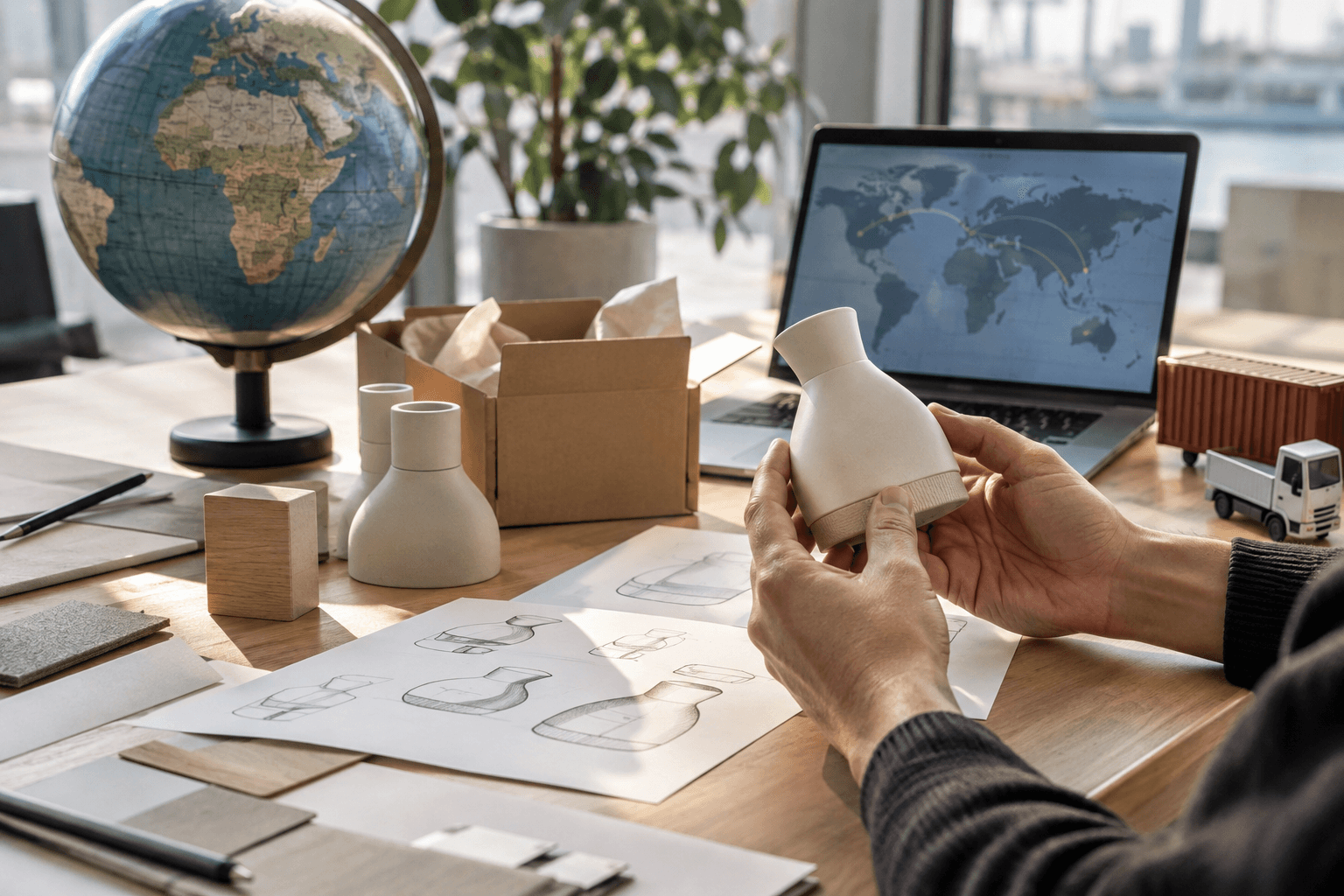


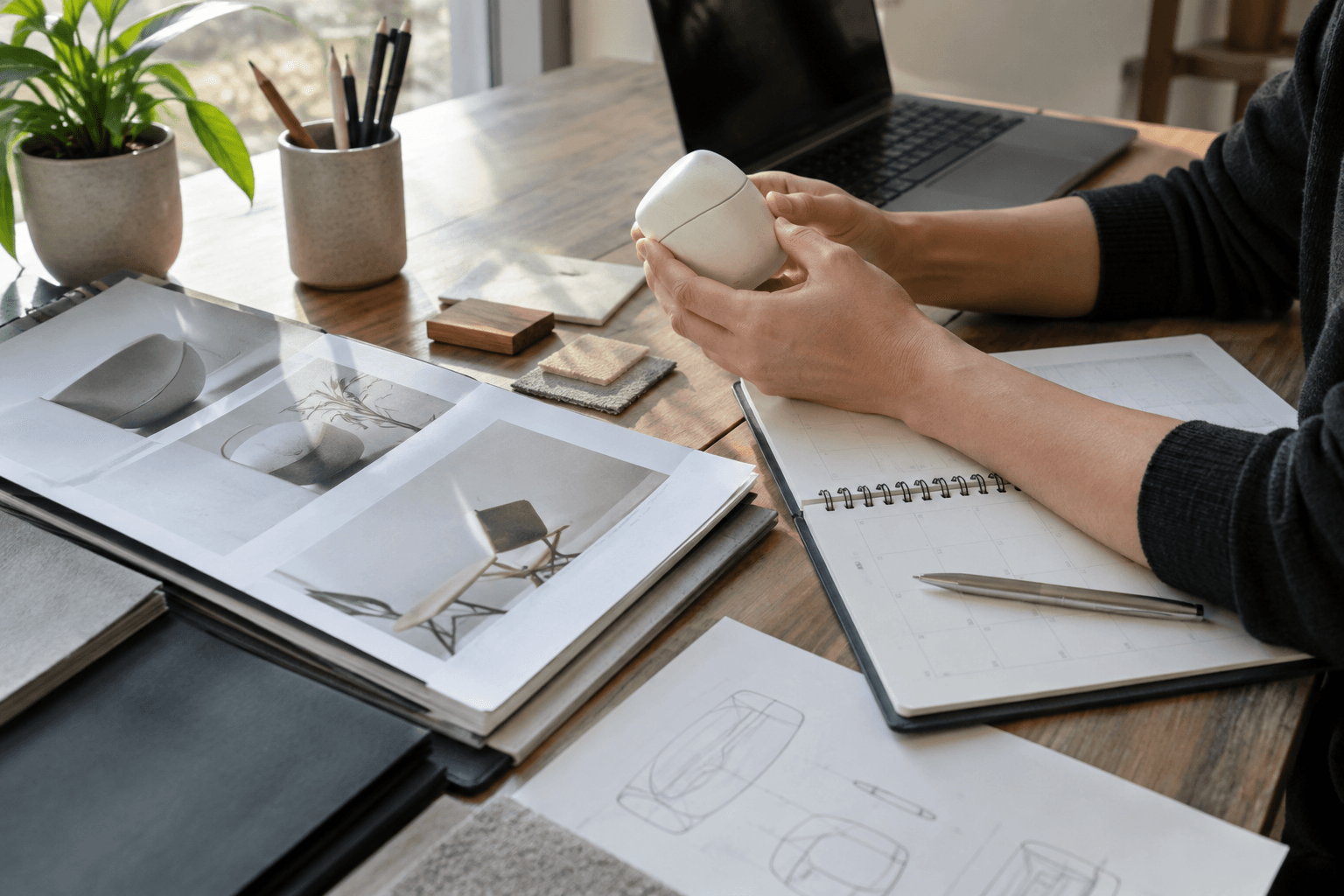


We explain how to search existing design registrations and which steps to follow when researching similar appearances. Research helps you make more informed filing decisions, but it does not give a conclusive answer on its own.
Before you start using, producing or selling a design, it is important to check whether the same or a very similar appearance is registered in someone else's name. Searching can be done both before a new filing and to understand possible claims from competitors.
Step 1: TÜRKPATENT records. Design filing and registration records can be examined on TÜRKPATENT's official search pages. Filters such as product name, keywords, class information and applicant can be useful. Do not limit your criteria to a single word, since the same product may have been registered under different names.
Step 2: International databases. For designs registered abroad, international sources such as the WIPO Global Design Database can be consulted. For the European Union, EUIPO records should be searched separately. Because the sources differ, relying on a single database may not be enough.
Alongside the registers, the following also help the research:
- Identifying where the product sits in the international classification and reviewing filings in that class
- Searching product images from different angles and using different keywords
- Reviewing similar products on the market, catalogues and online sales pages
- Documenting the date and place where the design was first made public
Interpreting the results. Finding a similar design does not mean the filing will be refused, but a similarity in appearance can make the assessment of novelty and distinctiveness harder. Conversely, finding no results does not mean the filing is suitable, because records may not always be current or complete.
Points to note in the results. The images shown in a register list may show only one angle of a design. For this reason, the file documents and all images of records with a different look should also be examined. Records may appear to belong to a single designer, but the same appearance may have been filed by different applicants on different dates. Results should therefore be read in date order, and the status of each record, whether the application is still under examination, has been published or is registered, should be checked separately.
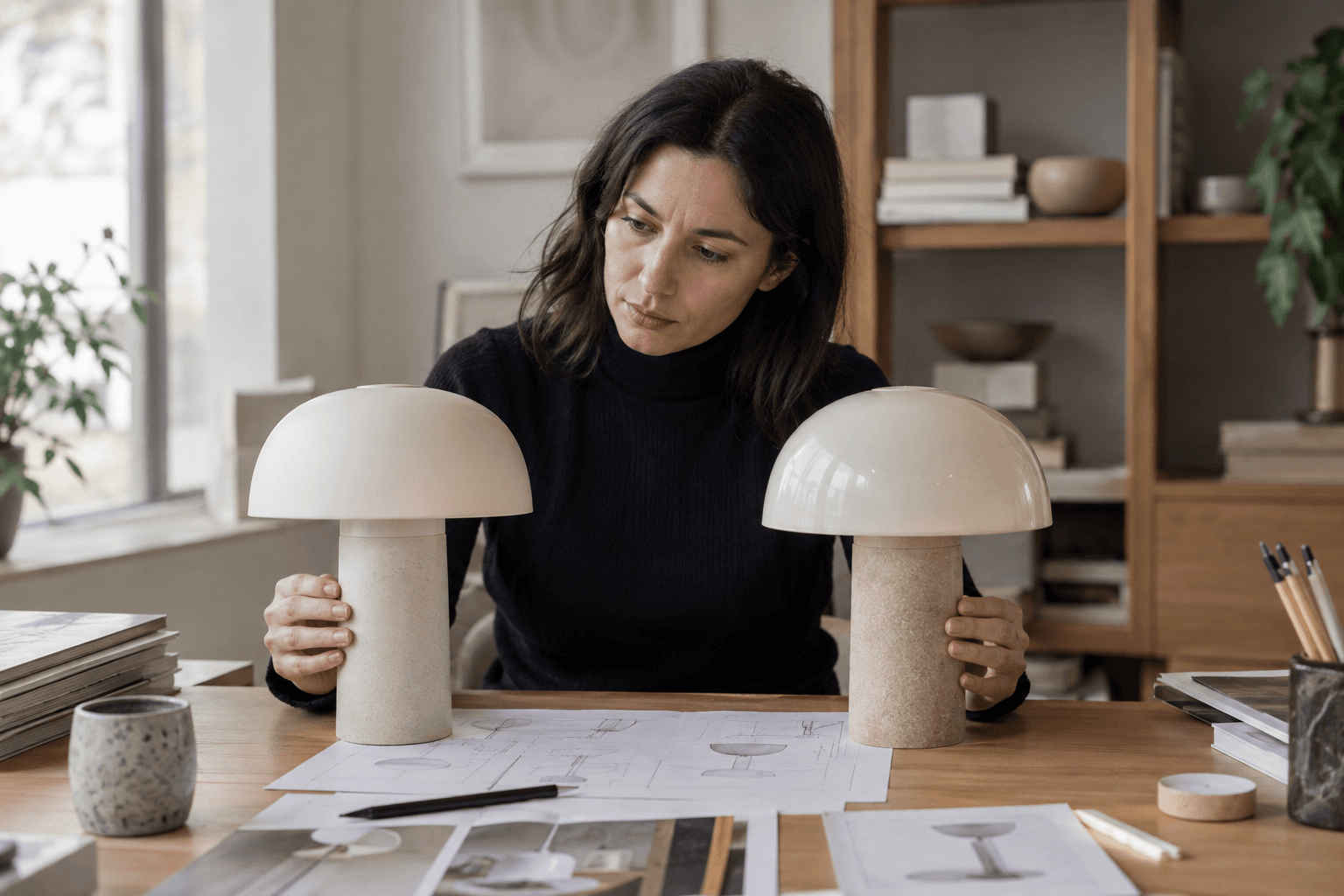
Keep a search log so the research can be repeated. Record the keyword, database, search date and any relevant record number on each line. For a lighting product, do not rely solely on “desk lamp”: plan searches based on its use, material and body shape. Save visually similar records in a separate folder and briefly explain the features that attracted your attention. Another team member should be able to understand why a result matters when repeating the search. This approach also makes the limits of the research visible.
If you want a more comprehensive preliminary search for your product, see our design research service page (/en/hizmetler/tasarim-arastirmasi) or request a free preliminary search. This article is for general information only; consult our attorney for an assessment specific to your file.
This article is for general information only; consult our attorney for an assessment of your specific case.