






We explain what design registration protects, what it does not, and which kinds of products it may cover. Separating appearance from technical solutions is the first step in choosing the right form of protection.
Design registration protects the appearance of a product. Appearance is made up of features the eye perceives, such as shape, contour, colour, texture, material and ornamentation. Protection covers how a product looks, not how it works. This distinction matters when deciding which form of protection fits a given case.
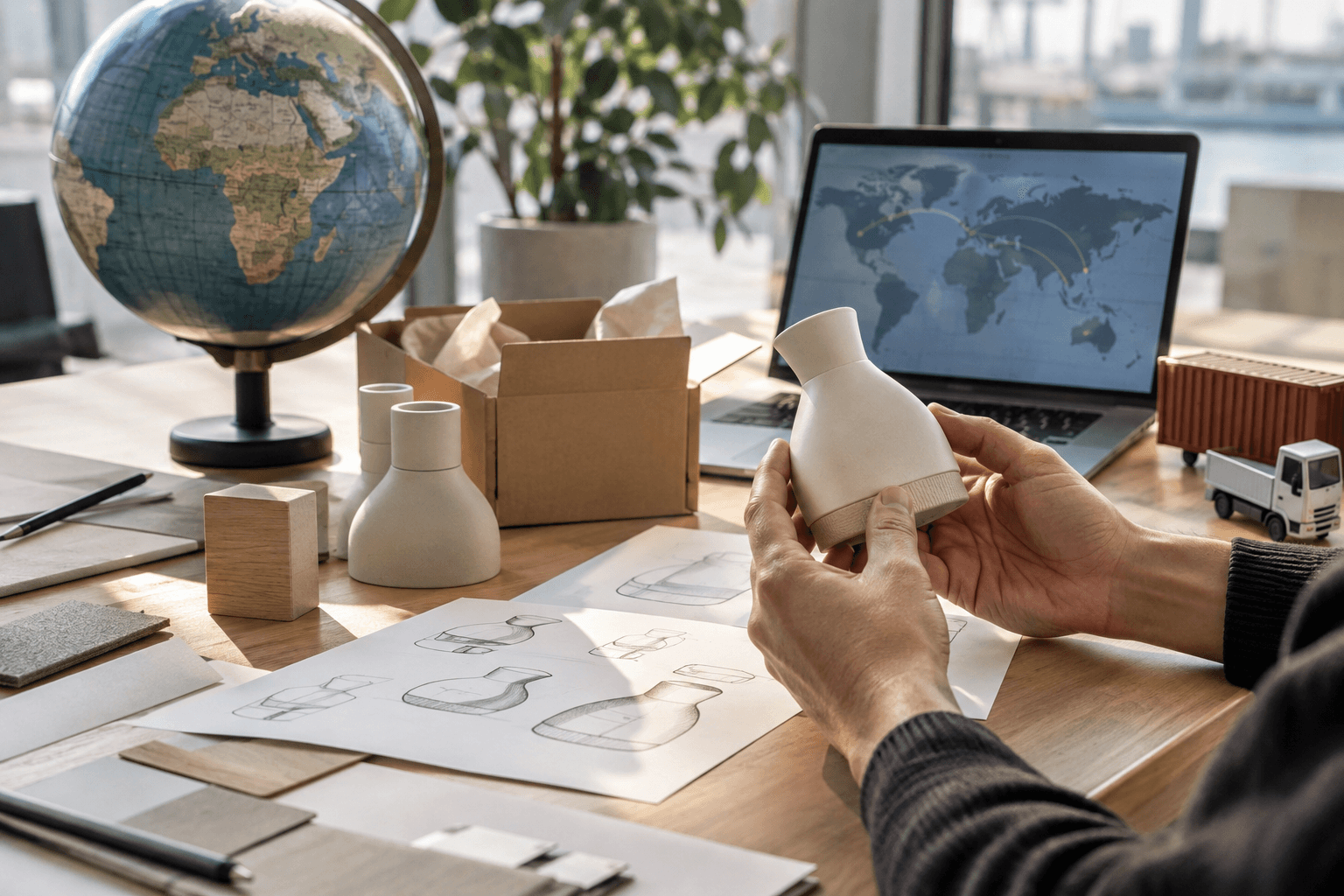
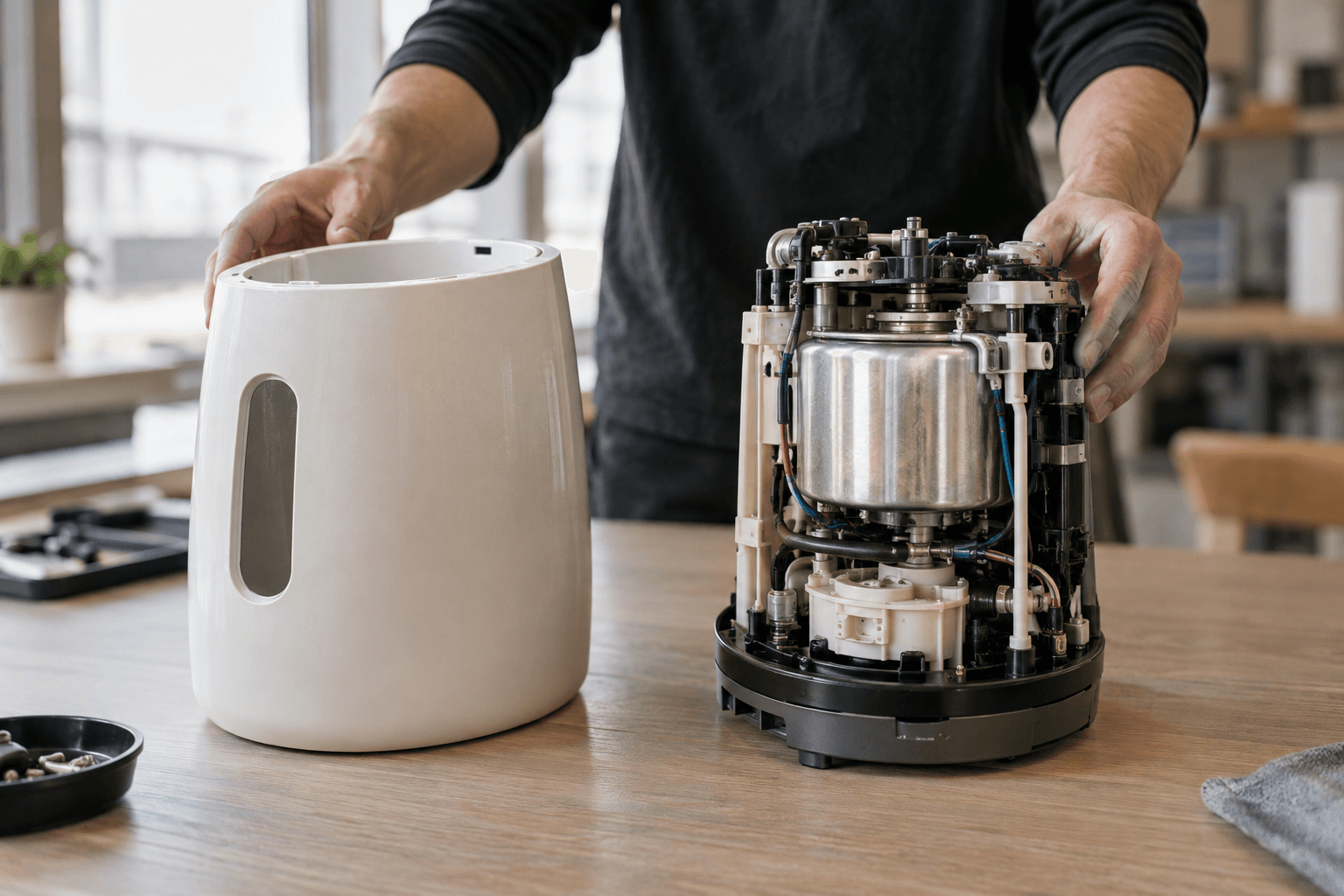
Product appearance. The outer design of furniture, household items, accessories, vehicle parts or electronic devices can be subject to registration. For example, the body shape of a kettle, the distinctive profile of a chair or the layout of a watch dial may be considered for protection as appearance. However, the internal mechanism or working principle of a product relates to other protections, such as patents.
Packaging design. The shape of packaging, its box structure and its visual layout can be considered designs. Words and logos on packaging, however, usually fall under trademark protection. The two forms of protection can complement each other, but they are not the same thing. Packaging is covered in a separate article.
Elements that may be considered for registration depend on the applicable rules and the features of each file:
- The three-dimensional shape and contour lines of a product
- Surface ornamentation, patterns and colour combinations
- Texture, material appearance and surface finish
- The shape and structure of packaging
- Screen displays and graphic symbols that meet the requirements of the law
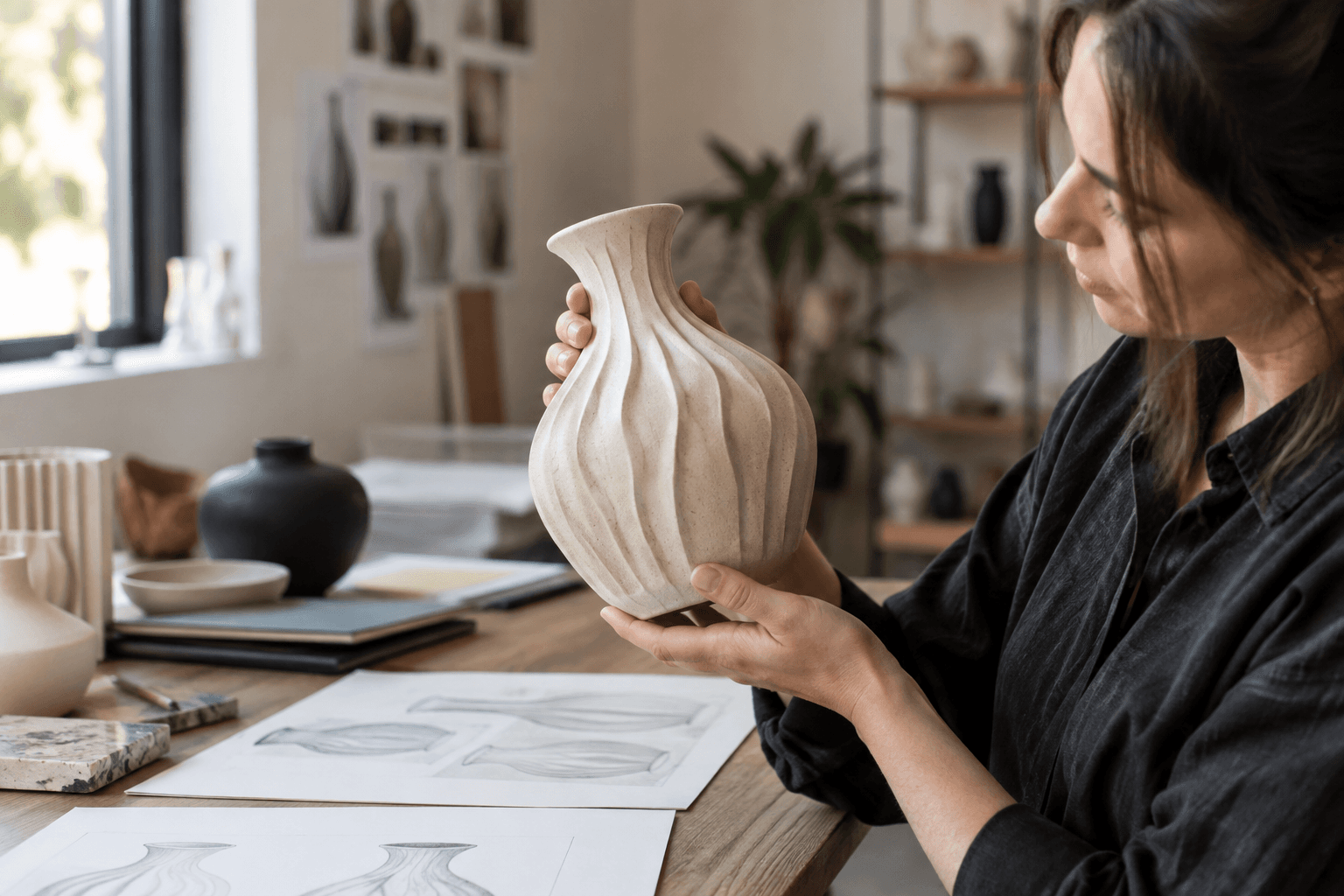
Industrial design is not confined to mass production; the appearance of handmade products can also be considered. Similar preparation questions may apply to the shape of a ceramic vessel made in a workshop and one produced in a factory. Start by clearly identifying the appearance for which protection is sought.
What it does not protect. Design registration does not prevent a different-looking product from performing the same function. If the core value of a product is a technical solution, patents or utility models should be considered for that solution. Computer programs are not regarded as inventions as such; a visual interface of a product, however, may be assessed to the extent it meets the legal requirements.
The representations in the registration file are an important basis for assessing protection. Overall impression, the informed user and the designer’s freedom are also considered. A single photograph is therefore insufficient to understand scope. Check that the various views in the file show the same version of the product.
The whole product or a part of it? A common question is whether design registration can cover only one part of a product. If the appearance of the part can be defined as an independent element of the product, it may be considered. Where the part gains meaning only within the whole, the scope should be defined with more care.
To discuss scope, describe the product through three questions: what does a customer notice immediately, what appears only during use, and what serves an entirely technical purpose? Do not treat a jug’s outer silhouette and its lid’s sealing mechanism as the same issue. A working copy of a photograph can mark the visual elements for discussion; keep these internal notes separate from the images intended for filing. Comparing the features highlighted by sales staff with the design team’s drawings makes the product easier to explain during a consultation.
To assess which elements of your product may be protected, see our design registration service page (/en/hizmetler/tasarim-tescili). This article is for general information only; consult our attorney for an assessment specific to your file.
This article is for general information only; consult our attorney for an assessment of your specific case.