







We explain why a design must be new and have individual character to be registered, how these requirements are assessed, and what the grace and priority periods mean.
Novelty and individual character answer different questions. Novelty involves searching for an identical design disclosed anywhere in the world before the relevant filing or priority date. Individual character involves comparing the overall impression on the informed user. Appearances differing only in small details are assessed under these separate criteria.
What is novelty? Novelty means that the design is not identical to a design made public before the filing date. Public disclosure can take place through trade fairs, catalogues, websites, social media posts or sales. For this reason, preparing the design filing before placing the product on the market or displaying it at a fair is in most cases the safer course.
Individual character is assessed through the informed user rather than the ordinary consumer. The overall impression on a user familiar with designs in the product field, together with the designer’s freedom, is relevant. Assessment cannot be reduced to counting changed details. Explaining differences in the context of the whole product is more useful.
Early disclosures require separate review. Certain disclosures may qualify for the 12-month exception before the filing or priority date in Türkiye under Article 57 of the Industrial Property Law. It is not limited to the designer’s own disclosure: authorised disclosures and those resulting from abuse of a relationship are also assessed under its conditions. Do not assume the same treatment abroad.
Priority right. After a first application made in Turkey or in a country party to the Paris Convention, later applications filed within a set period may rely on the same priority date. For designs, this period is 6 months. A priority right gives protection against similar applications filed by others after the first filing date, although conditions may differ from country to country.
Checks recommended before filing include the following:
- Noting the date when the design was first shared and where it was published
- Screening similar designs to identify common features and differences
- Preparing the design images in a form suitable for filing
Risk of refusal. If a design is found not to be new or distinctive, the application may be refused, or third parties may file an objection. For this reason, it is more reliable to compare the design with similar ones rather than relying only on your own view.
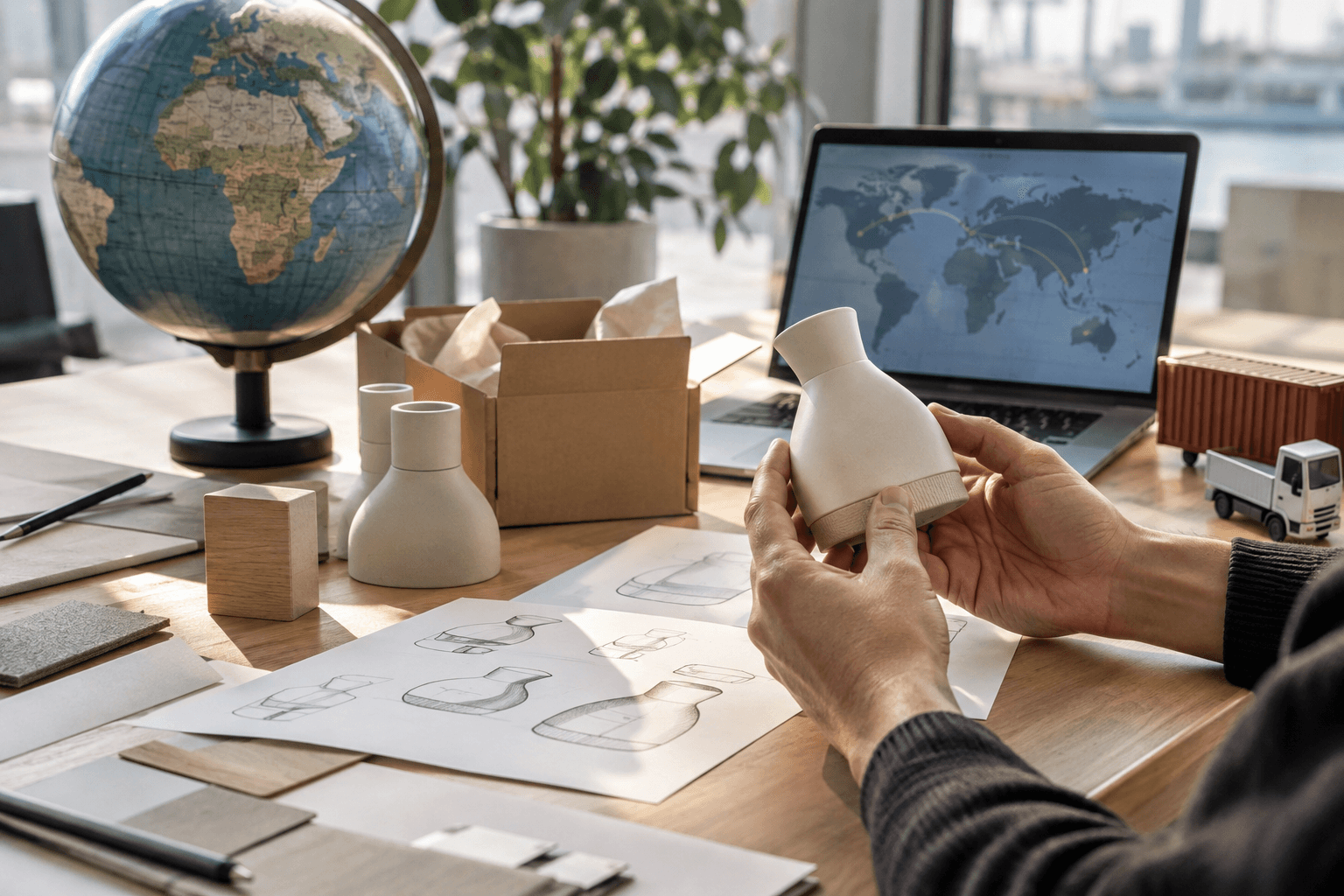
A team developing a collection should preserve more than its latest drawings. Keep the first sketch, prototype, revisions and launch images as separate versions. Maintain a disclosure list recording where the product appeared, including meetings, catalogues and sales channels. When using an external designer, link the correspondence identifying the delivered files to that list. This reduces reliance on memory when reconstructing disclosure history. Keeping prior-design search results separate from your development archive also helps avoid confusing outside examples with the dates of your own work.
To assess whether your design meets the requirements, see our design registration service page (/en/hizmetler/tasarim-tescili). This article is for general information only; consult our attorney for an assessment specific to your file.
This article is for general information only; consult our attorney for an assessment of your specific case.